Tokyo Gendai 2026 brought together galleries from Japan and abroad at PACIFICO Yokohama, presenting contemporary art across painting, sculpture, works on paper, digital media, and other forms.
For FALJU COINS, the visit was less about trying to interpret every work and more about observing how objects are presented, discussed, and encountered.
How presentation changes what we notice
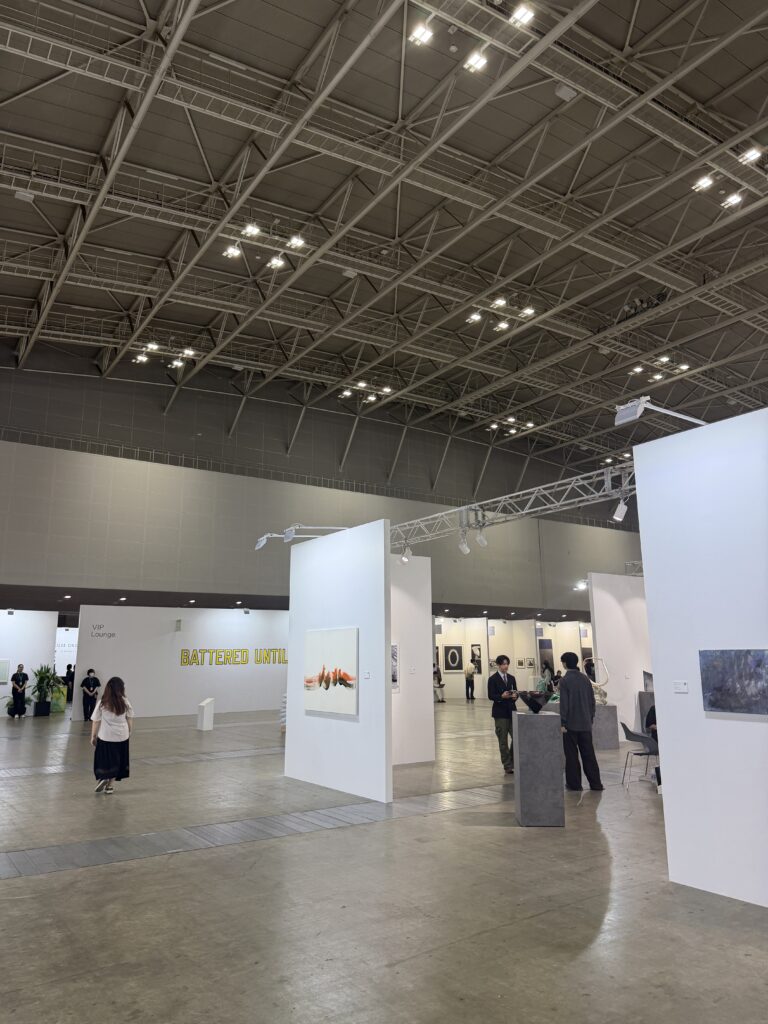
One of the clearest impressions from the fair was how much presentation can influence what we notice first.
Scale, lighting, distance, surrounding works, written information, and even the space left around an object can affect where the eye stops and how long we spend looking.
Some works were immediately approachable. Others became more interesting after spending a little more time with them or hearing more about the artist, material, or process.
That difference is familiar in another collecting field as well.
Historical coins are small objects.
Their physical scale is very different from most works shown at an art fair, but presentation still matters.
Photography can reveal or hide surface character.
A description can reduce a coin to a date and grade, or place it within a much larger historical context.
The object itself does not change, but the way we encounter it does.
Looking, explaining, collecting
During the visit, several galleries offered information about the works on display.
What interested me was how naturally an explanation encouraged another look.
Once someone begins talking about an artist, a material, or a process, details that may not have stood out at first can become more visible.
I also saw conversations taking place around the possible purchase of works.
It was a reminder that an art fair operates in two ways at once: as a place to encounter art and as a functioning market where objects are discussed, evaluated, and acquired.
The same duality exists in coin collecting.
A coin can be studied as history, appreciated as design, compared as a collectible, and ultimately bought or sold.
Those roles do not need to be separated.
What caught my attention
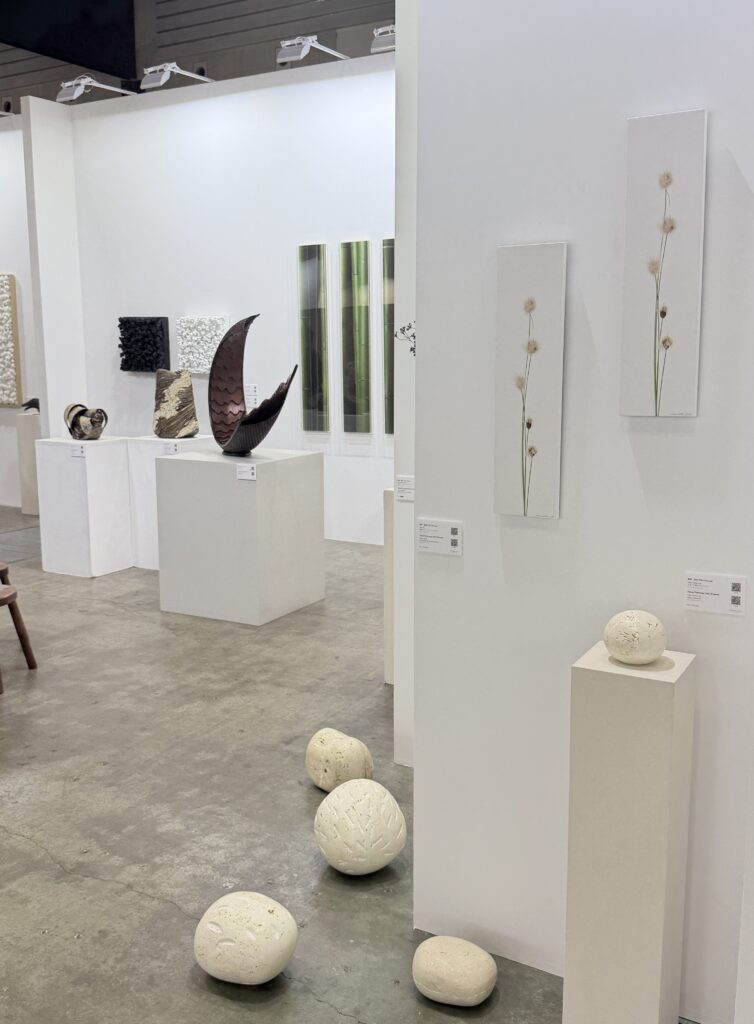
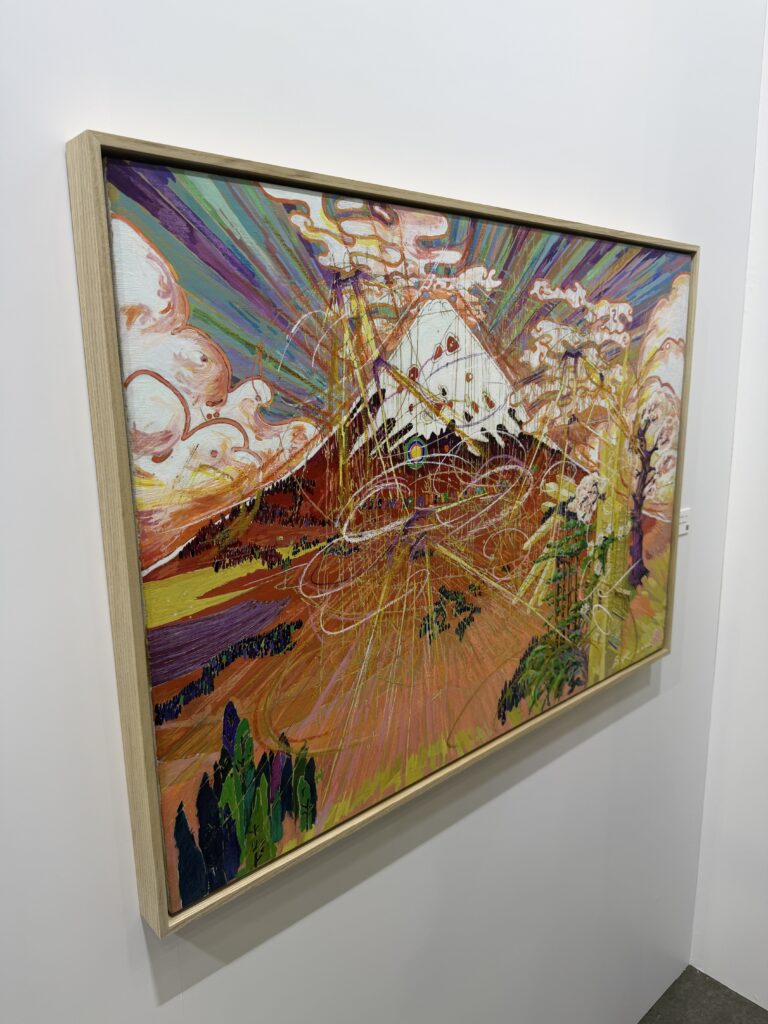
Among the works shown at Tokyo Gendai, I was particularly drawn to pieces where material, color, or familiar Japanese visual references gave me an immediate point of entry.
Works connected to nature, traditional motifs, glass, wood, and other tactile materials were easier for me to approach than works whose meaning depended mainly on a conceptual framework.
That is not a judgment about which type of work is more important.
It simply made clear how personal collecting begins.
We rarely respond equally to everything.
We stop because something in an object feels familiar, beautiful, unusual, or worth looking at again.
FALJU Perspective
Historical coins also need that first point of connection.
A portrait, a heraldic symbol, the color of old silver, the depth of a relief, or an unusual denomination may be what first catches the eye.
The history often comes afterward.
At FALJU COINS, presentation is therefore not only decoration around an object.
Photography, description, certification, historical context, and the way a piece is introduced all help create the conditions in which someone may want to look more closely.
Visiting Tokyo Gendai reinforced a simple idea.
Objects carry their own history and material presence, but presentation can influence whether we stop long enough to discover them.
That principle applies far beyond contemporary art.
It is equally relevant to the small historical objects we collect, study, and hold in our hands.
Art and history, held in your hands.
FALJU COINS / Curated in Tokyo.
Tokyo Gendai 2026|物の見え方を変える「見せ方」と文脈
パシフィコ横浜で開催されたTokyo Gendai 2026では、国内外のギャラリーによる絵画、彫刻、紙作品、デジタルメディアなど、さまざまな現代アートを見ることができました。
FALJU COINSとして今回特に興味深かったのは、すべての作品を理解することではなく、ひとつの物がどのように見せられ、説明され、人の目に触れていくのかという点でした。
見せ方によって、目に入るものが変わる
会場を歩いていて印象に残ったのは、展示の仕方によって、最初に目に入るものが変わることでした。
大きさ、照明、距離、周囲に置かれた作品、説明、そして作品のまわりの余白。
そうした要素によって、自然と目が止まる場所や、ひとつの作品を見る時間も変わります。
一目で入りやすい作品もあれば、少し時間をかけたり、作家や素材、制作方法について説明を聞いたりすることで、より興味深く見えてくる作品もありました。
これは、コインという別の収集分野でもよく似ています。
歴史的なコインはとても小さな物ですが、撮影方法によって表面の魅力が伝わることもあれば、逆に見えにくくなることもあります。
説明も、年代とグレードだけを示すこともできれば、その一枚が生まれた時代や歴史まで伝えることもできます。
物そのものは変わりません。
しかし、私たちがその物と出会う方法は変わります。
見ること、説明すること、集めること
今回の会場では、いくつかのギャラリーから作品についての案内や資料をいただきました。
興味深かったのは、説明を受けることで自然ともう一度その作品を見ることです。
作家や素材、制作方法について少し知るだけで、最初には気づかなかった部分が見えてくることがあります。
また、作品の購入について話している場面も目にしました。
アートフェアは、作品を見る場所であると同時に、実際に物が評価され、相談され、購入されていく市場でもあります。
コインにも同じ側面があります。
歴史として学ぶことも、デザインとして見ることも、収集品として比較することも、そして売買することもできます。
これらは別々のものではありません。
自然と目が止まったもの
今回のTokyo Gendaiでは、素材や色、日本的なモチーフなど、見る側にとって何か入り口のある作品に自然と足が止まりました。
自然、伝統的な意匠、ガラスや木など、素材そのものを感じられる作品は、概念を読み解くことが大きな入口になる作品よりも、私にとって入りやすいものでした。
これは、どちらが優れているという話ではありません。
むしろ、収集や興味の始まりはとても個人的なものだということを改めて感じました。
すべての物に同じように反応するわけではありません。
どこか見覚えがある、美しい、少し不思議、もう一度見たい。
そうした小さな反応から、物を見る時間が始まります。
FALJUの視点
歴史的なコインにも、最初の入口があります。
肖像、紋章、古い銀の色、レリーフの深さ、珍しい額面。
まず目に留まる要素があり、そのあとに歴史を知ることがあります。
FALJU COINSでは、物の「見せ方」を単なる装飾とは考えていません。
写真、説明、鑑定情報、歴史的背景、そしてどのように紹介するか。
それらは、誰かがその一枚をもう少し長く見たくなるための環境をつくります。
Tokyo Gendaiを訪れて、ひとつのことを改めて感じました。
物にはそれ自体の歴史や存在感があります。
けれど、そこに立ち止まり、その価値を見つけるきっかけは、見せ方によって生まれることがあります。
この考え方は現代アートだけではありません。
私たちが収集し、学び、手のひらで見る小さな歴史的オブジェにも同じことが言えると思います。
手のひらに収まる、歴史と芸術。
FALJU COINS / Curated in Tokyo.