In October 2026, I visited Jaeger-LeCoultre’s “Valley of Inventions” exhibition at Roppongi Hills in Tokyo.
The exhibition explored the history of the Maison through its birthplace, Switzerland’s Vallée de Joux, and the development of precision watchmaking there.
Near the beginning of the exhibition, the first thing that made me stop was not a watch, but a medal.
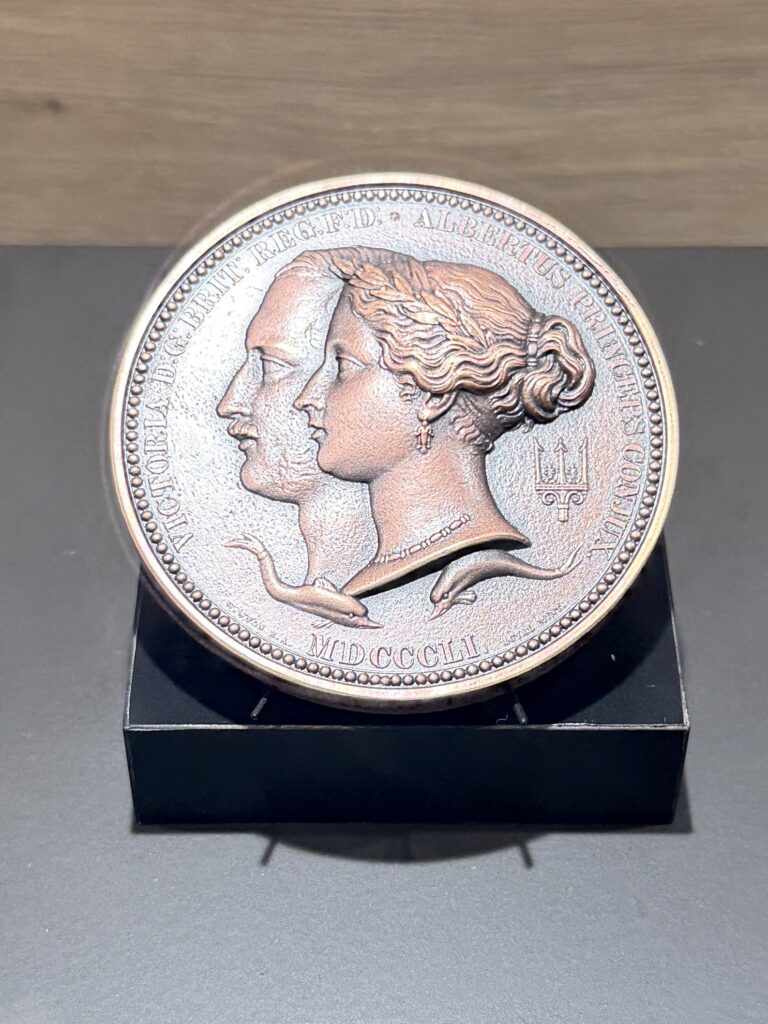
東京で開催されたジャガー・ルクルト「Valley of Inventions」展に展示されていたメダル。
Perhaps that was a natural reaction for someone who works with coins.
How winter shaped watchmaking in the Vallée de Joux
The history of the Vallée de Joux helps explain why watchmaking developed there.
During the warmer months, farming and dairy work were part of daily life. In winter, however, severe weather made agricultural work difficult.
During those months, people worked indoors with metal, producing small objects such as blades, buckles and locks. Over time, the skills required for this kind of detailed metalwork became increasingly refined and eventually contributed to the development of watchmaking in the region.
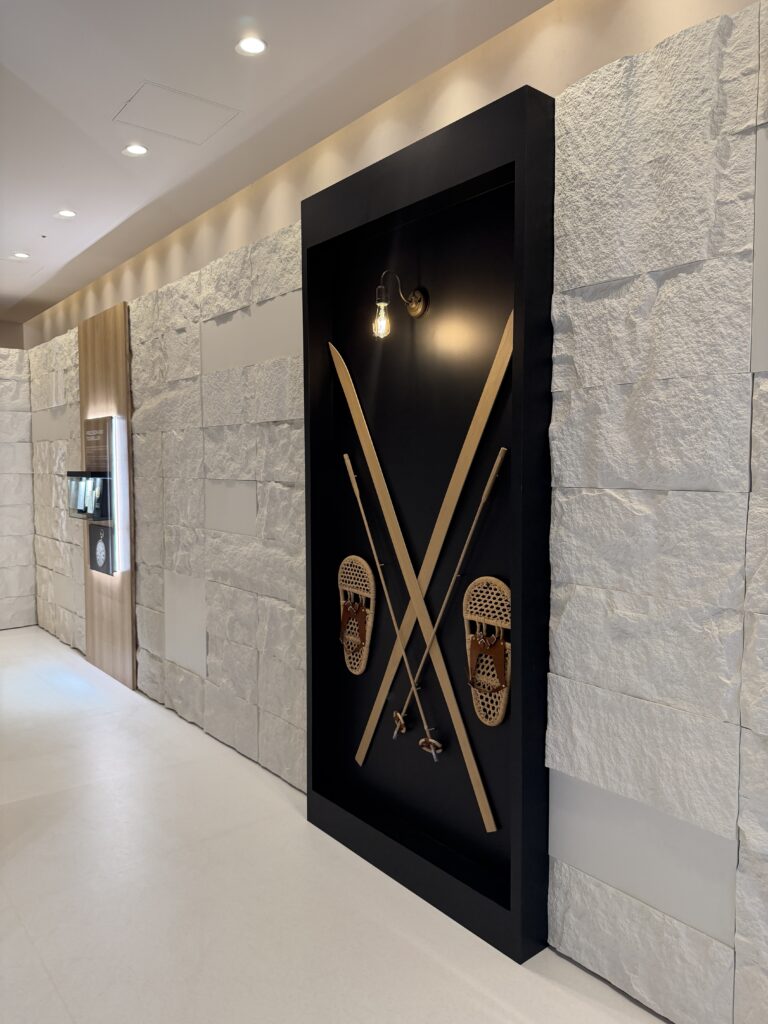
長い冬が続くジュウ渓谷で育まれた、金属加工と時計づくりの背景を表現した展示。
Antoine LeCoultre also learned to work with metal in his family’s forge before establishing his watchmaking workshop in 1833.
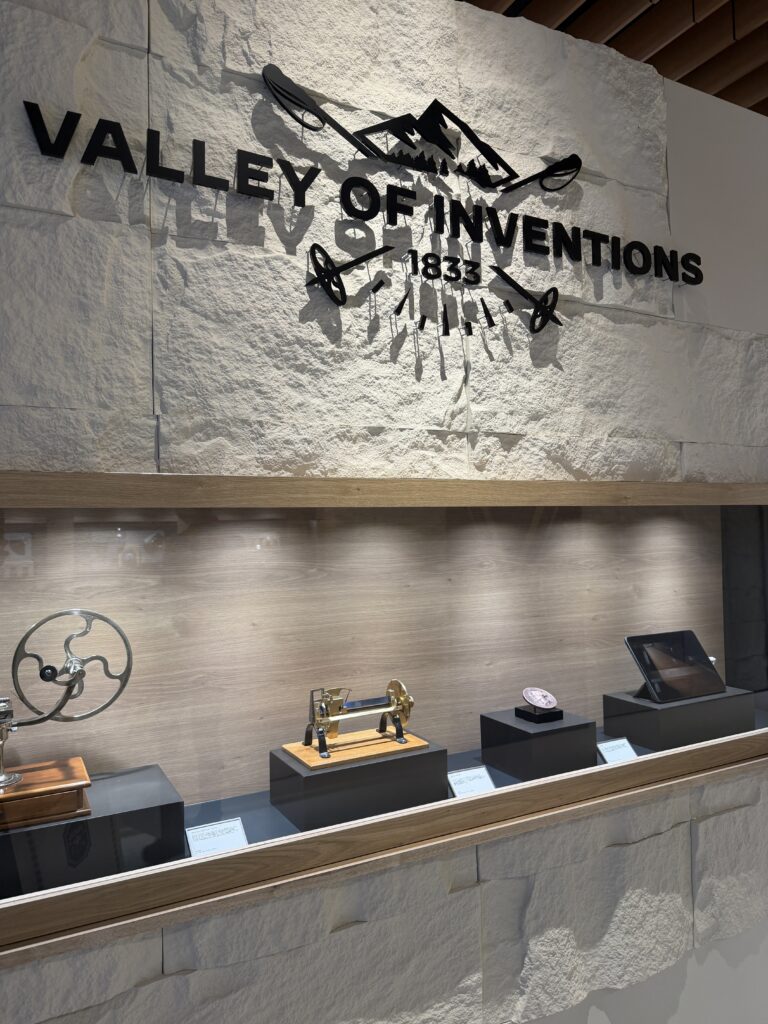
ジュウ渓谷における金属加工と時計づくりの歴史を紹介する、「Valley of Inventions」展の展示風景。
Walking through the exhibition, I felt that I was not only looking at watches, but also at the long history of working precisely with small pieces of metal.
From the medal to the watches
Because I work with coins, I naturally tend to notice things like this.
A watch and a medal are very different in purpose and construction.
Even so, there were details that felt familiar: how the metal surface is treated, how much can be expressed within a limited space, and how carefully the smallest elements are worked.
On the medal, depth, hair and facial features are all created within a very shallow surface.
Later, when looking at the watches, my attention shifted to the precision of the mechanisms contained inside such small cases.
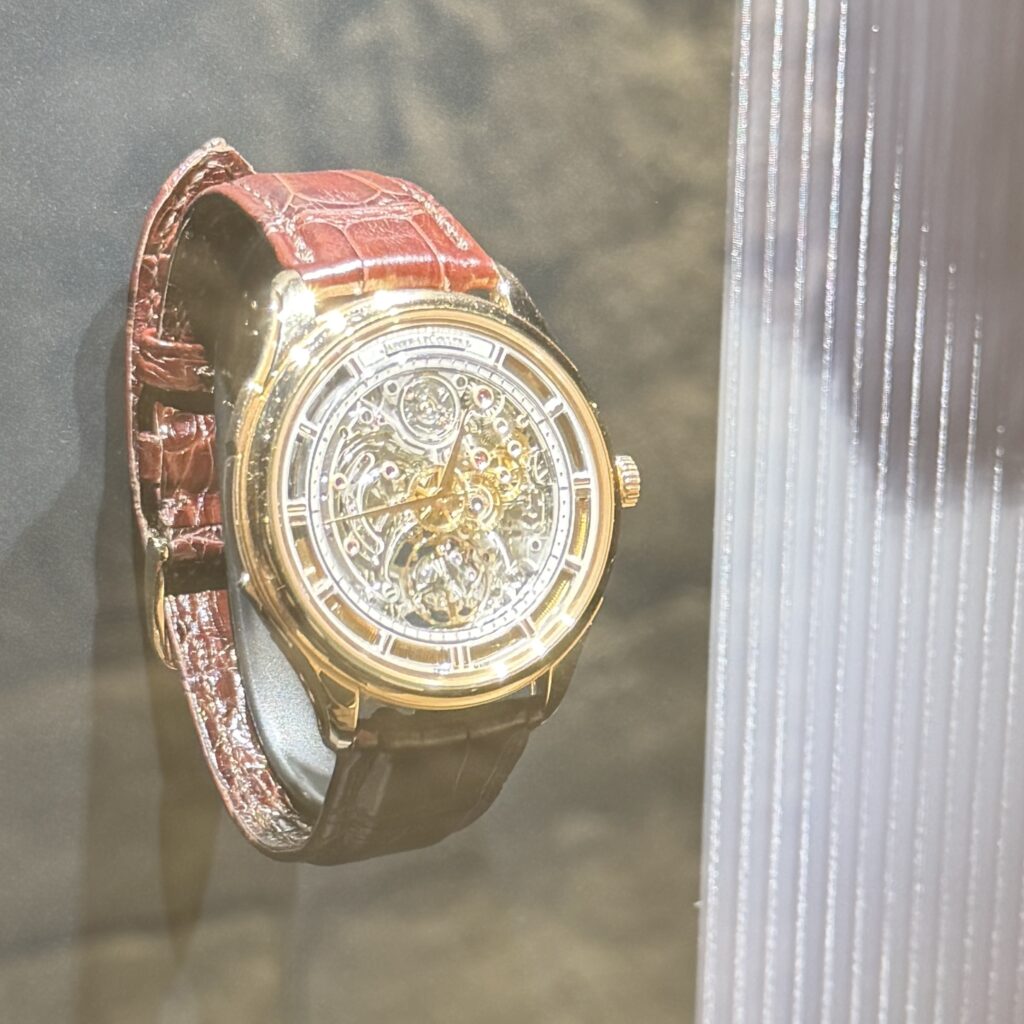
限られた空間に精密な機構が収められた、複雑機構の時計。
The fields are different, but both made me think about how much technique and information can be concentrated into something so small.
Returning to coins
This is also part of the way I look at coins for FALJU COINS.
Grade, rarity and market value matter, but they are not the only reasons why one coin feels more compelling than another.
The quality of a portrait, the balance of a design, the way the metal has been struck, and the historical circumstances in which a coin was made can all change the way it is perceived.
Looking outside numismatics can sometimes make those details easier to notice.
A watch exhibition may seem far removed from historical coins, but in this case the connection felt surprisingly close: metal, precision, design, and the skill required to make something small with great care.
Japanese / 日本語
金属加工と精度
ジャガー・ルクルト「発明の渓谷」展から
2026年10月、六本木ヒルズで開催されたジャガー・ルクルト「VALLEY OF INVENTIONS — 発明の渓谷」展を訪れました。
展示では、メゾン発祥の地であるスイス・ジュウ渓谷を起点に、この土地で精密な時計製造が発展してきた歴史が紹介されていました。
展示に入って最初の方で、私が足を止めたのは時計ではなくメダルでした。
普段コインを扱っていることを考えれば、自然な反応だったのかもしれません。
時計づくりにつながった、ジュウ渓谷の冬
ジュウ渓谷の歴史を知ると、この土地で時計づくりが発展した理由が少し見えてきます。
夏は農業や酪農が中心でしたが、冬になると雪と寒さで畑仕事が難しくなります。
その間、人々は家の中で金属加工を行い、刃物やバックル、錠などの小さな金属製品を作っていました。
長い冬の中で磨かれていった細かな金属加工の技術が、やがて時計づくりにもつながっていきます。
アントワーヌ・ルクルトも、もともとは家族の鍛冶場で金属を扱いながら技術を身につけ、1833年に時計製造の工房を開きました。
展示を見ながら、時計だけを見ているというより、この土地で長い時間をかけて積み重なってきた「小さな金属を精密に扱う技術」を見ているような感覚がありました。
メダルから時計へ
普段コインを扱っているせいか、こうしたメダルには自然と目がいきます。
時計とメダルでは、もちろん用途も作り方も違います。
それでも、金属の表面をどう見せるか、限られた大きさの中でどう形を整えるか、細部をどこまで作り込むかという点では、見ていて重なる部分がありました。
メダルでは、わずかな厚みの中で肖像の立体感や髪、表情まで表現されています。
そのあと時計の展示を見ていくと、今度は小さなケースの中に収められた精密な機構に目がいきます。
分野は違っても、限られた大きさの中にどこまで技術や情報を込められるかという点では、どこか通じるものがあるように感じました。
そして、コインを見る視点へ
これは、FALJU COINSでコインを見るときにもつながっています。
グレード、希少性、市場価格はもちろん重要です。
一方で、それだけでは一枚を選ぶ理由のすべてにはなりません。
肖像の表現、デザインのバランス、金属の打刻、そして、そのコインが生まれた時代や背景。
同じカテゴリーの中だけを見ているより、異なる分野のものづくりに触れたときの方が、そうした細部に改めて気づくことがあります。
時計の展覧会と歴史的なコインは、一見すると離れた世界に見えます。
今回の展示では、金属、精度、デザイン、そして小さなものを丁寧に作り上げる技術という点で、その距離は思っていたより近く感じられました。